Willesden Junction upholstery cleaning case study: a practical local example of restoring tired furniture
If you are searching for a Willesden Junction upholstery cleaning case study, you probably want more than a vague before-and-after story. You want to know what was cleaned, what issues were found, how the job was approached, and whether the result was actually worth it. Fair enough. Upholstery can look fine at a glance and still hold onto dust, body oils, drink marks, pet odours, and the kind of everyday grime that slowly dulls fabric over time.
This article breaks the subject down in a useful, grounded way. You will see how a typical upholstery cleaning project in Willesden Junction is assessed, what the cleaning process usually looks like, where the real value comes from, and which mistakes people make when they try to tackle it too quickly. Where relevant, we also point out how upholstery care connects with broader fabric care services such as sofa cleaning, stain removal, and upholstery cleaning.
Let's face it, the difference between a fresh, inviting room and one that feels a bit tired is often sitting right there on the armchair. Or the sofa. Or that dining chair everyone swears is "fine" until sunlight hits it at 4 pm and reveals everything.
Table of Contents
- Why Willesden Junction upholstery cleaning case study Matters
- How Willesden Junction upholstery cleaning case study Works
- Key Benefits and Practical Advantages
- Who This Is For and When It Makes Sense
- Step-by-Step Guidance
- Expert Tips for Better Results
- Common Mistakes to Avoid
- Tools, Resources and Recommendations
- Law, Compliance, Standards, or Best Practice
- Options, Methods, or Comparison Table
- Case Study or Real-World Example
- Practical Checklist
- Conclusion
- Frequently Asked Questions
Why Willesden Junction upholstery cleaning case study Matters
A local upholstery cleaning case study matters because it shows the process in context, not just in theory. Homes near Willesden Junction often have a blend of practical living needs: families, commuters, pets, compact flats, shared spaces, and furniture that has to work hard every day. That means upholstery is rarely "lightly used". It picks up spillages, sweat, dust, outdoor dirt, and sometimes a bit of commuter fatigue as well. Very glamorous. Not really. But very real.
Case studies are useful because they help you judge three things before booking a clean:
- how visible the improvement might be
- how much care the fabric will need
- whether the cleaning method is suitable for the material and condition
They also help set realistic expectations. Not every mark can be removed completely. Not every cushion dries at the same speed. And not every fabric behaves itself, especially if it is delicate, blended, antique, or previously treated with the wrong product. A good case study explains that honestly, which is often what people need most.
In practical terms, this is also about trust. If a cleaner understands the fabric, spots the risks early, and chooses a cautious method rather than rushing in with heat and chemicals, you are more likely to get a better result and less likely to end up with water rings, texture changes, or colour loss.
That is why detailed upholstery work should be considered alongside related services like pet stain and odour removal and mattress cleaning when the home needs a fuller refresh. Sometimes the fabric issue is not isolated; it is part of the whole room.
How Willesden Junction upholstery cleaning case study Works
A proper upholstery cleaning project usually starts with inspection. This sounds obvious, but it is the step that prevents most avoidable problems. A cleaner checks the fabric type, joins, seams, piping, cushion construction, wear pattern, and any visible staining or odour issues. If there are labels or care codes, those matter too. They are not decoration; they tell you which cleaning approach is safest.
From there, the work normally follows a pattern:
- Dry soil removal - loose dust and grit are removed first so they do not become muddy during cleaning.
- Fabric testing - a small, hidden area is checked for colour stability and fibre response.
- Pre-treatment - targeted solution is applied to problem areas such as armrests, seat fronts, or isolated marks.
- Agitation - gentle mechanical action helps lift embedded dirt from the fibres.
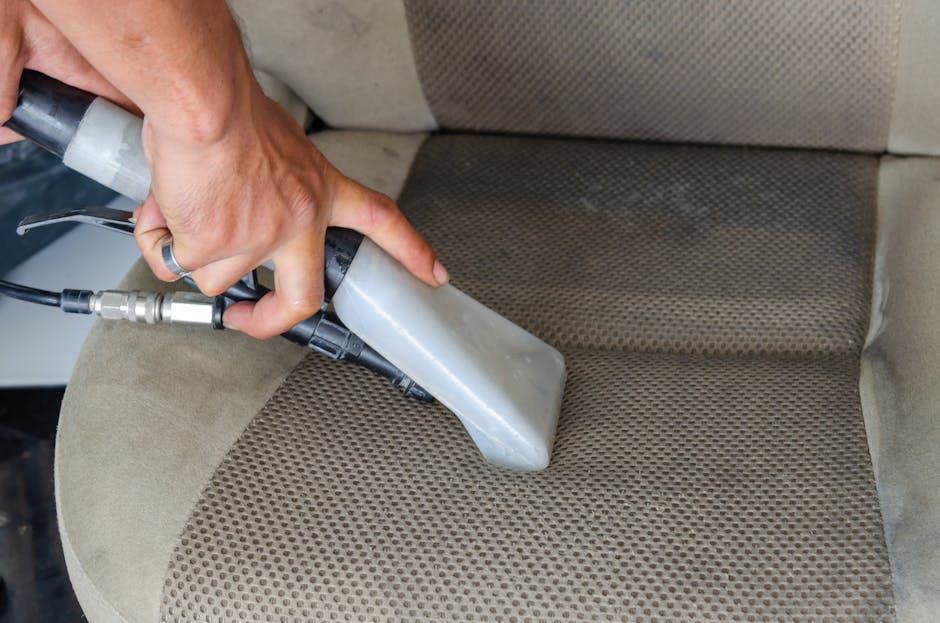
- Extraction or controlled low-moisture cleaning - depending on the fabric and condition, soil and solution are removed carefully.
- Detail work - edges, creases, and stubborn spots get individual attention.
- Drying guidance - airflow, room temperature, and safe use instructions are explained clearly.
In some cases, the cleaner may recommend a more cautious approach for velvet, wool-rich fabrics, fixed covers, or furniture with previous cleaning damage. To be fair, that caution is a good sign. It usually means the cleaner is thinking about the long-term condition of the piece rather than just the immediate visual win.
Related services such as steam carpet cleaning can be useful in the same property if the floors also need attention, but upholstery should never be treated as if it were carpet. The weave, foam, backing, and dyes can all react differently. Same house, different rules.
Key Benefits and Practical Advantages
Good upholstery cleaning does more than make a sofa look brighter. It changes the feel of a room and extends the life of the furniture. That is the practical upside, and it is often bigger than people expect.
Here are the main benefits worth paying attention to:
- Improved appearance - fabrics look less dull, with visible marks reduced or removed.
- Better freshness - everyday smells from cooking, pets, and regular use are often reduced.
- Fabric protection - removing embedded dirt can reduce abrasion caused by grit.
- More comfortable living space - cleaner seating just feels better to use, simple as that.
- Longer furniture lifespan - regular care can delay replacement, which is good for both budget and sustainability.
There is also a subtle but important benefit: confidence. When your upholstery looks cared for, the whole room feels more looked after. That matters if you have guests coming over, if you work from home, or if you just want to stop avoiding the big sofa because it looks a bit grubby in daylight.
If sustainability is part of your decision, it can be sensible to review a provider's approach to responsible waste handling and materials by checking their recycling and sustainability information, along with their about us page so you know who you are dealing with. Small things, but they add up.
Who This Is For and When It Makes Sense
This kind of upholstery cleaning case study is relevant for a lot of people, not just homeowners with a large corner sofa. In fact, some of the most common situations are quite ordinary.
You may benefit from upholstery cleaning if you have:
- fabric sofas or armchairs with general dullness
- drink spills or food stains that have been sitting for a while
- pet hair, paw marks, or lingering odours
- chairs in rental properties that need a reset before new tenants
- office seating or reception furniture that sees heavy daily use
- curtains, rugs, or mixed soft furnishings needing a coordinated refresh
It also makes sense when you are planning a move, preparing a property for sale, or just trying to avoid replacing good furniture too early. Truth be told, many pieces are cleaner than they look at first glance, but they do need the right treatment to show it.
For landlords, facilities teams, and small business owners, the wider upholstery picture can overlap with commercial carpet cleaning and other fabric care jobs. That is especially true where waiting areas, meeting rooms, or communal seating take on a lot of traffic. The same principle applies: if it is used often, it needs more than the occasional vacuum.
Step-by-Step Guidance
If you are planning upholstery cleaning in Willesden Junction, a sensible process makes the whole job smoother. Here is the practical sequence most people should expect.
- Identify the fabric
Check whether the upholstery is cotton, polyester, velvet, wool blend, leather-like material, or something more delicate. If you do not know, do not guess. Guessing is how avoidable damage happens. - Inspect problem areas
Look closely at armrests, seat bases, headrests, cushion fronts, and seams. These are the places where grime builds up first. - Vacuum thoroughly
Dry soil removal matters more than people think. If grit stays behind, wet cleaning can turn it into paste. Not ideal. - Test in a hidden spot
Always check how the fabric responds before cleaning the visible areas. - Pre-treat marks
Use targeted stain treatment where appropriate, but keep it controlled. Flooding the fabric is a bad idea. - Clean with the safest suitable method
That might mean low-moisture cleaning, hot water extraction, or another fabric-appropriate technique. - Work edges and detail areas
The top of the sofa often gets attention. The side seams and tucked areas tell the real story. - Allow proper drying
Open windows if appropriate, encourage airflow, and avoid sitting on the furniture too soon. - Review the finish
Check whether any marks need a second pass and whether the pile or texture needs grooming.
A quick aside: if a cleaner says the furniture will be "bone dry in five minutes", raise an eyebrow. A little healthy scepticism saves trouble. Drying time depends on fabric, airflow, moisture load, and room conditions.
Expert Tips for Better Results
There are a few habits that consistently improve outcomes. They are simple, but they matter.
- Act early on stains - the longer a spill sits, the more likely it is to bond with the fibre.
- Keep a note of fabric codes - if the manufacturer has provided care instructions, follow them.
- Avoid over-wetting - excess water can leave marks, slow drying, and cause distortion.
- Don't scrub hard - aggressive rubbing can fray fibres or spread the stain.
- Use airflow, not panic - a fan or open space can help drying more than repeated touching ever will.
One very practical tip: photograph any marks before cleaning. Not for drama. Just for clarity. It helps you track progress and decide whether a second treatment is actually worth it, especially on old or set-in staining.
If the upholstery has a strong pet issue, it may need more than a standard refresh. That is where pet stain and odour removal becomes relevant, because smell often lives deeper in the fibres and underlayers than people expect. You clean what you can see, then you deal with what you can smell. Both matter.
Common Mistakes to Avoid
Most upholstery damage does not happen in one dramatic moment. It happens through small errors repeated over time. The good news? Most of them are avoidable.
- Using the wrong product - especially harsh household sprays that were made for hard surfaces, not fabric.
- Overloading with water - this can create tide marks and lengthen drying time.
- Skipping a test patch - risky on dyed or delicate fabrics.
- Rubbing stains too hard - pushes the contamination deeper.
- Ignoring drying conditions - even a well-cleaned sofa can feel wrong if it stays damp for too long.
- Assuming every fabric is the same - it is not. Not even close.
There is also a common planning mistake: cleaning only the visibly dirty patch and leaving the surrounding area untouched. This can create a "clean rectangle" effect, which looks odd and can make the rest of the furniture seem dirtier by comparison. Better to treat the full seating zone when possible.
If the issue is a badly stained upholstered chair or sofa, a specialist stain removal approach may be more appropriate than a standard general clean. That distinction saves disappointment.
Tools, Resources and Recommendations
You do not need a van full of gear to understand what a good upholstery clean involves, but it helps to know the main tools and why they matter.
| Tool or resource | What it does | Why it matters |
|---|---|---|
| Upholstery vacuum tools | Lift dust and grit from fabric and seams | Prevents dry soil from becoming muddy during wet cleaning |
| Test cloths and spot pads | Check fabric response in hidden areas | Helps avoid colour transfer and unexpected fibre reactions |
| Fabric-safe cleaning solutions | Break down body oils, light staining, and grime | Should be matched carefully to the upholstery type |
| Extraction equipment | Removes suspended dirt and excess moisture | Improves finish and helps reduce drying time |
| Air movement | Supports evaporation after cleaning | Useful for reducing dampness and improving comfort |
If you are comparing providers, it can help to review their pricing and quotes information, then check the practical details in insurance and safety. Those pages tell you something important: whether the service is transparent and whether the business takes risk seriously. In this line of work, both matter.
For a broader upholstery refresh, some households also pair fabric cleaning with curtain cleaning or rug cleaning. That can make the whole room feel more balanced, not just one chair looking suddenly too clean. Which sounds odd, but it is true.
Law, Compliance, Standards, or Best Practice
Upholstery cleaning is not a heavily regulated trade in the same way as some professional services, but good practice still matters. In the UK, a responsible cleaner should work carefully around fabric suitability, product safety, customer property, and safe handling of equipment and chemicals. They should also provide clear expectations about what can and cannot be achieved.
From a best-practice point of view, that usually means:
- assessing fabric before cleaning
- using suitable products and dilution rates
- staying within the limitations of the material
- avoiding unnecessary moisture
- being clear about drying time and aftercare
- carrying appropriate insurance and safety procedures
It is also sensible to look for a business that explains how it handles complaints, payments, and privacy in plain language. Those things may not seem directly linked to upholstery cleaning, but they are part of a trustworthy service overall. You can usually get a clearer picture by reviewing pages such as complaints procedure, payment and security, and privacy policy.
For a local customer, that kind of clarity is reassuring. You want your sofa cleaned, yes. But you also want to know the person doing the work is taking the job seriously and handling your home with care.
Options, Methods, or Comparison Table
Different upholstery jobs call for different methods. There is no one-size-fits-all answer, and honestly, the industry would be easier if there were. Still, a comparison helps.
| Method | Best for | Strengths | Things to watch |
|---|---|---|---|
| Low-moisture upholstery cleaning | Delicate fabrics, light to moderate soiling | Faster drying, lower moisture risk | May be less effective on heavy staining |
| Hot water extraction | Durable fabrics with deeper grime | Strong soil removal, thorough finish | Needs careful moisture control and proper drying |
| Targeted stain treatment | Specific spots and marks | Focused, efficient, can be combined with a full clean | Not always enough on its own |
| Odour-focused treatment | Pet smells, mustiness, persistent lingering odours | Addresses the source of the smell more directly | Sometimes requires repeat attention |
In practice, many good jobs use a combination. A clean sofa might need vacuuming, a gentle pre-spray, spot treatment, and then a careful finishing pass. That layered approach is usually better than relying on one heavy-handed technique.
And if the furniture is in a commercial setting, the decision often has to be made around downtime as well. That is where commercial carpet cleaning and upholstery planning can overlap, because businesses need surfaces back in use quickly, not just looking nice by the end of the day.
Case Study or Real-World Example
Here is a realistic example based on the kind of upholstery cleaning request that comes up often in Willesden Junction.
A household booked a clean for a well-used fabric sofa after months of everyday family use. The seating area had visible dullness, a few small drink marks, and heavier soiling where hands and forearms rested most often. There was also a faint stale smell, nothing dramatic, but enough that the room no longer felt as fresh as it should.
On inspection, the cleaner checked the fabric type, confirmed there was no obvious damage, and tested a discreet area first. The plan was to combine dry soil removal, gentle pre-treatment on the worst areas, and a controlled clean rather than a soak-and-pray approach. That's the phrase nobody uses professionally, but we all know the problem when we see it.
The main practical steps were:
- vacuuming the full sofa carefully, including seams and cushion edges
- treating the heaviest marks individually
- cleaning the seating, back, and arm areas evenly
- checking that no tide marks were forming as the fabric dried
- advising on ventilation and safe drying time
The most useful part of the process was not just the visible lift in appearance. It was the restored balance of the fabric. The sofa no longer looked patchy. The whole piece looked cared for again. That is often what makes the biggest difference.
Not every item will respond the same way. A linen-look chair, for instance, may need a more delicate approach than a synthetic sofa. A pet-heavy home may need separate odour treatment. And a rental property with mixed furniture may benefit from combining upholstery cleaning with carpet cleaning so the overall impression is consistent rather than half-done.
Expert summary: The best upholstery cleaning results usually come from careful inspection, modest moisture, targeted stain treatment, and realistic expectations. If the process is rushed, the fabric often shows it later.
Practical Checklist
Use this checklist before booking or carrying out upholstery cleaning. It keeps the process simple and avoids the sort of mistakes that make people sigh at their own furniture later.
- Identify the upholstery material if possible.
- Check for care labels or manufacturer guidance.
- Note visible stains, odours, wear spots, and sunlight fading.
- Decide whether one item or the whole room needs attention.
- Ask how the cleaner handles test patches and fabric risk.
- Confirm what drying guidance will be given after the clean.
- Review insurance, pricing, and payment details in advance.
- Make sure pets and children are kept away during treatment and drying.
- Plan airflow and room access so the furniture can dry properly.
- Take photos before and after if you want to compare results fairly.
If you are dealing with a more complex home reset, it may also be useful to look at steam carpet cleaning or upholstery cleaning as part of a wider maintenance plan. That way the furniture, flooring, and fabrics all move in the same direction. Much easier on the eye.
Conclusion
A thoughtful Willesden Junction upholstery cleaning case study is valuable because it shows the real work behind a good result: assessment, care, method selection, and aftercare. It is not just about making a sofa look brighter for a day. It is about restoring comfort, freshness, and confidence in the space you live or work in.
The biggest lesson is simple. Good upholstery cleaning is rarely aggressive. It is measured, fabric-aware, and honest about what can be achieved. When that happens, the result tends to last better and feel more satisfying. And yes, you usually notice it the first time you sit down and the room just feels cleaner. A small thing, but a proper one.
Get a free quote today and see how much you can save.
If you are ready to improve tired furniture without replacing it too soon, the next step is straightforward: review the service details, ask sensible questions, and choose the approach that suits your fabric and your home. That bit of care goes a long way.
Frequently Asked Questions
What is included in an upholstery cleaning case study?
An upholstery cleaning case study usually explains the fabric type, the condition of the furniture, the cleaning method used, the main problem areas, and the final outcome. A good one also notes any limitations, such as delicate fabric or set-in staining, so expectations stay realistic.
How long does upholstery cleaning usually take?
It depends on the number of items, the fabric type, and how heavily soiled they are. A single sofa can be relatively quick, but drying time can add a few hours or more depending on ventilation and moisture levels. The cleaner should always explain this clearly.
Will upholstery cleaning remove every stain?
Not always. Some stains have already bonded with the fibres or changed the dye. A skilled cleaner can often improve the appearance a lot, but honest professionals will not promise perfection on every mark. That would be a red flag, frankly.
Is upholstery cleaning safe for delicate fabrics?
It can be, if the fabric is inspected first and the correct method is chosen. Delicate upholstery often needs low-moisture cleaning or a more cautious approach. Always test a hidden area before cleaning the visible sections.
How often should upholstery be cleaned?
There is no single rule for every home, but regular cleaning is sensible if the furniture gets heavy use, pet traffic, or food and drink spillages. Some households need it more often than others, especially in busy family rooms.
What is the difference between sofa cleaning and upholstery cleaning?
Sofa cleaning focuses specifically on sofas, while upholstery cleaning covers a broader range of fabric furniture such as chairs, stools, benches, and other soft furnishings. The methods overlap, but the furniture shape and fabric details can change the process.
Can upholstery cleaning help with pet odours?
Yes, it often can, especially when combined with targeted odour treatment. The cleaner needs to reach the source of the smell, not just mask it. If the odour has soaked deep into the fabric or underlayers, extra treatment may be needed.
Should I vacuum before the cleaner arrives?
If you can do so carefully, yes, though many professionals will vacuum as part of the service anyway. The main point is to remove loose debris so the cleaning process works more effectively. If time is tight, do not stress it too much.
How soon can I use the furniture after cleaning?
That depends on the method used and how quickly the room dries. Some items can be used again relatively soon, while others need longer to avoid flattening fibres or transferring moisture. It is best to wait until the fabric feels fully dry and the cleaner says it is ready.
What should I ask before booking upholstery cleaning in Willesden Junction?
Ask about fabric suitability, stain treatment, drying time, insurance, pricing, and whether a test patch will be carried out. It is also sensible to check the provider's service information and their approach to complaints, payments, and safety.
Can upholstery cleaning be combined with other household cleaning services?
Yes, and that is often the most efficient way to do it. Many people combine upholstery cleaning with carpet cleaning, rug cleaning, or curtain cleaning so the room feels refreshed as a whole rather than in one isolated spot.
What makes a good upholstery cleaning result?
A good result is one where the furniture looks cleaner, feels fresher, dries properly, and still keeps its shape and texture. The best outcomes are careful rather than rushed, and they usually come from a method matched to the fabric. That is really the heart of it.