Old Oak Common sofa cleaning real cost guide
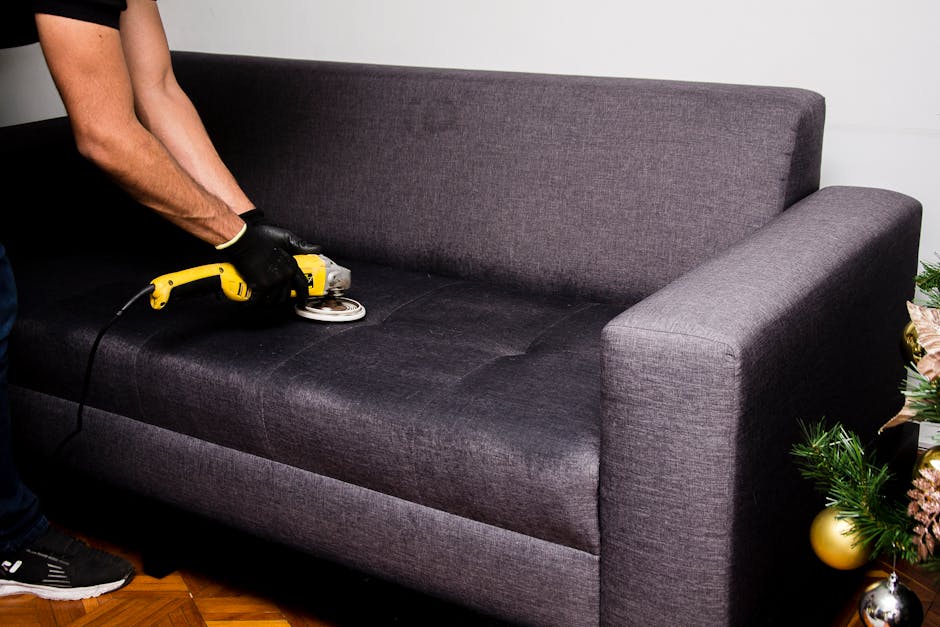
If you are trying to work out the Old Oak Common sofa cleaning real cost guide for your home, you are probably doing what most people do: comparing quotes, wondering what is actually included, and trying not to get caught out by a cheap price that turns expensive later. Fair enough. Sofa cleaning should be straightforward, but the pricing can feel oddly slippery if you have never booked it before.
This guide breaks the cost down in plain English. You will learn what affects the price, how professional sofa cleaning usually works, which extras are worth paying for, and how to judge whether a quote is sensible. We will also cover the practical side: stains, fabrics, drying time, and the little details that matter when your sofa is the one everyone piles onto after a long day.
Let's get into it.
Why Old Oak Common sofa cleaning real cost guide Matters
Sofa cleaning is one of those jobs people tend to put off until the marks become impossible to ignore. A tea splash by the armrest, pet hair tucked into the seams, a faint smell that never quite leaves, or that general greyish look that builds up over time. In a busy part of West London, where homes, flats, and rented places often need to work hard, the sofa gets used a lot and shows it first.
The real cost matters because a sofa is not just another soft furnishing. It is something you sit on every day, nap on, eat on, and occasionally spill coffee on despite promising yourself you will not. A proper clean can make the room feel fresher straight away, but you want to know whether the price is fair before booking.
There is also a wide gap between a basic surface refresh and a deeper professional clean. Some companies quote a low headline price, then add on charges for stain treatment, deodorising, fabric type, parking, or extra labour for awkward access. Others include more from the start. So the real question is not simply "how much does sofa cleaning cost?" It is "what am I actually paying for?"
That is why a local, realistic cost guide is useful. It helps you compare like with like, and that saves time, stress, and a bit of money too.
How Old Oak Common sofa cleaning real cost guide Works
Professional sofa cleaning usually follows a fairly simple pattern, even if the method changes depending on the fabric. The cleaner inspects the sofa first, identifies the material, checks the stains, and chooses the safest process. That initial look matters more than people think. A velvet sofa, for example, needs a very different approach from a synthetic blend or a leather finish.
Pricing is usually based on one or more of these factors:
- Size of the sofa, such as a two-seater, three-seater, corner sofa, or sofa bed.
- Fabric type, because delicate fabrics often require more care.
- Condition, including stains, odours, pet hair, or heavy soiling.
- Method used, such as hot water extraction, low-moisture cleaning, or dry cleaning for suitable fabrics.
- Access and location, especially if parking or stairs make the job slower.
- Extras, such as stain protection, deodorising, or cleaning cushions separately.
In a real quote, the cleaner will normally assess the job and explain what the base price covers. A decent quote should not feel vague. You want to know whether it includes pre-treatment, agitation, extraction, and drying advice, or whether those are treated as add-ons. Truth be told, the best price is not always the lowest price. A slightly higher quote can be better value if it includes the proper process from start to finish.
Typical cleaning methods are usually chosen for safety and results rather than speed alone. For instance, hot water extraction can be effective for many fabric sofas, while some delicate upholstery needs minimal moisture. The method should suit the sofa, not the other way around. Obvious enough, maybe, but it gets missed all the time.
Key Benefits and Practical Advantages
People often book sofa cleaning for one reason, then discover several others. You notice the room smells cleaner. The colours look brighter. The sofa somehow feels more inviting. Small thing, big difference.
Here are the main practical benefits:
- Better appearance - Everyday dullness, drink rings, and general wear become less obvious.
- Reduced odours - Food smells, pet odours, and stale fabric can often be improved.
- Longer fabric life - Dirt acts like fine grit; removing it can help reduce premature wear.
- Improved hygiene - Sofas collect dust, dead skin, crumbs, and pet hair over time.
- More comfortable living space - A clean sofa changes the feel of the whole room, especially in smaller homes.
- Better presentation for guests or tenants - Handy before moving, hosting, or photographing a property.
There is also a financial angle. If a sofa still has life left in it, cleaning is usually far cheaper than replacing it. That does not mean every sofa can be saved, but many can look noticeably better after a proper professional clean. For busy households in Old Oak Common, that is often the sweet spot: good results without the cost of new furniture.
Practical takeaway: a sensible sofa clean is usually about value, not just price. If the service removes visible soil, freshens the fabric, and gives you a realistic aftercare plan, you are getting more than a quick cosmetic tidy.
Who This Is For and When It Makes Sense
This guide is for anyone trying to make a sensible decision before booking sofa cleaning in Old Oak Common. That includes homeowners, tenants, landlords, letting agents, and families with pets or young children. Basically, if your sofa gets used in real life, this is for you.
It makes particular sense to book when:
- there are visible stains or spill marks;
- the sofa smells musty, smoky, or like pet odour;
- allergy season makes dust buildup more noticeable;
- you are preparing for a tenancy inspection or end of lease;
- you are refreshing a living room before guests arrive;
- you have bought a second-hand sofa and want a clean start;
- children, pets, or both have treated the sofa as an extension of the garden.
There is also a timing question. If the sofa is lightly used and generally tidy, you might only need periodic maintenance rather than a deep clean. If it is starting to look tired or smell faintly off, waiting another six months usually does not make the bill better. It usually makes the clean harder, which can affect the quote.
A quick rule of thumb: if you can see the marks and smell the issue before you sit down, it is probably time to get it assessed.
Step-by-Step Guidance
Here is a straightforward way to approach sofa cleaning without overthinking it.
- Check the fabric label or care instructions. This helps identify whether the sofa is suitable for water-based cleaning, dry cleaning, or specialist treatment.
- Photograph the problem areas. A couple of clear photos make it easier to compare quotes and explain the issue properly. Handy, and oddly reassuring.
- Ask what is included in the quote. Confirm whether the price covers inspection, pre-treatment, stain work, cushions, and drying guidance.
- Describe the stains honestly. Fresh coffee, old red wine, ink, pet urine, and general dust all behave differently. A good cleaner will appreciate the details.
- Check access and parking. In London, access can shape the final price. Stairs, narrow hallways, and limited parking all take time.
- Request a realistic expectation. Not every stain will disappear completely. A trustworthy provider should say that clearly rather than promising magic.
- Prepare the room. Move small items, clear the floor area, and make sure there is space for equipment and airflow.
- Review drying advice after the clean. Opening windows, keeping foot traffic light, and avoiding overuse straight away helps protect the result.
One small but important point: ask whether the cleaner will test a discreet area first. That is standard good practice on delicate upholstery and should not feel like a fancy extra. It is basic care.
Expert Tips for Better Results
If you want the clean to go well and the quote to stay sensible, a few simple habits help more than people realise.
- Book before the sofa is heavily saturated with dirt. Earlier cleaning is usually easier, safer, and sometimes cheaper.
- Point out all stain types before the visit. Different stains need different pre-treatments.
- Be cautious with home stain removers. Some over-the-counter sprays can set a stain or damage colour fast. A bit annoying, but true.
- Ask about drying time. Hot, humid rooms and thick cushions can extend drying. Plan around that rather than hoping for the best.
- Check whether deodorising is included. If odour is part of the issue, do not assume it is bundled in.
- Consider protection after cleaning. Fabric protection is not always necessary, but in family homes it can be useful.
For households with pets, pairing sofa cleaning with pet stain and odour removal can make the result much more practical than a surface-only clean. Likewise, if the same room's soft furnishings all need attention, you may want to look at professional upholstery cleaning as part of the wider plan.
Small tip from real-world experience: if your sofa has removable seat cushions, check whether the quote includes both sides. People forget this surprisingly often, and the back of a cushion can be where the dullness hides. Sneaky little thing.
Common Mistakes to Avoid
Most bad sofa cleaning experiences are avoidable. Not all of them, but most. The usual mistakes are simple ones.
- Choosing only by headline price. A cheap quote can become poor value if it excludes basic stain treatment or drying advice.
- Not checking fabric suitability. Some materials need specialist handling, and getting that wrong can cause damage.
- Using too much water at home. Over-wetting can leave marks, odours, or long drying times.
- Expecting every stain to vanish. Some marks are permanent or have already chemically bonded with the fabric.
- Skipping pre-vacuuming or preparation. Loose debris can interfere with the clean.
- Forgetting to ask about extras. If you need sanitising, deodorising, or protector application, check those upfront.
- Ignoring aftercare. Sitting down too soon or covering the sofa while it is still damp can undo a good result.
To be fair, the biggest mistake is assuming all sofa cleaning is basically the same. It is not. Method, fabric, stain type, and preparation all affect the outcome. A sensible cleaner will tell you where the limits are. That honesty is worth paying for.
Tools, Resources and Recommendations
If you are doing some of the preparation yourself, the right tools help keep things tidy without making matters worse. You do not need a van full of equipment, just a few sensible basics.
- Vacuum with upholstery attachment - useful for removing dust, crumbs, and pet hair before the clean.
- Clean white cloths - best for blotting small spills without transferring colour.
- Soft brush - helpful for lifting surface debris from textured fabric.
- Fan or open-window airflow - helps drying after a professional clean.
- Fabric care label - often the most overlooked resource in the house.
If you want to read more about related services and how they fit together, the site also covers sofa cleaning, stain removal, and steam carpet cleaning. Those pages are useful if you are planning a room refresh rather than a one-off touch-up.
For readers weighing a broader home clean, the blog section can also be helpful. For example, the sofa covers washing guide is useful if your cover can be removed and laundered safely, while pet odour advice is worth a look if smells are part of the problem.
Law, Compliance, Standards, or Best Practice
For sofa cleaning, there is usually no complicated legal process for the customer, but good providers should still follow sensible UK business and safety practices. That means being clear about what is included, handling your home respectfully, and working safely with cleaning products and equipment.
Best practice typically includes:
- checking fabric compatibility before starting;
- using suitable products for the material and soil level;
- testing delicate areas where needed;
- working in a way that reduces the risk of over-wetting or colour run;
- being transparent about stains that may not fully lift;
- respecting access, property condition, and any household sensitivities.
If a company works in your home, it should also be able to explain how it manages insurance and safety, especially where hoses, water, electrical equipment, or narrow access are involved. That does not need to be dramatic. It just needs to be sensible. You can review the company's insurance and safety information and its health and safety policy if you want a better feel for how it operates.
For customers who care about privacy, payments, or service terms, it is also reasonable to check payment and security and terms and conditions. That is not being fussy. That is just smart before inviting anyone into your home.
Options, Methods, or Comparison Table
Different sofa cleaning methods suit different jobs. Here is a simple comparison to help you judge what might be right for your fabric and budget.
| Method | Best for | Typical strengths | Things to watch | Cost impact |
|---|---|---|---|---|
| Hot water extraction | Many fabric sofas with general soiling | Deep clean, strong soil removal, good for refresh | Longer drying, not ideal for every delicate fabric | Usually mid-range |
| Low-moisture cleaning | Fabrics that need less water exposure | Faster drying, less saturation | May need careful stain pre-treatment | Can vary by complexity |
| Dry cleaning | Certain delicate upholstery types | Minimal moisture, fabric-safe where appropriate | Not suitable for every sofa and may not tackle heavy soil as deeply | Often higher for specialist fabrics |
| Spot treatment only | Small isolated marks | Cheap and targeted | Does not clean the whole sofa; can leave the rest looking tired | Lowest upfront cost |
If you are comparing quotes, ask whether the price is for a full clean or just spot treatment. The difference matters more than it sounds. A sofa can have one visible stain and still need a proper all-over refresh to avoid patchiness.
And yes, sometimes the cheaper method is not the right method. That is the awkward bit no one enjoys saying out loud.
Case Study or Real-World Example
Here is a realistic example based on the sort of job many local households ask for.
A family in Old Oak Common had a three-seater fabric sofa with general shading, a couple of food marks on one arm, and a faint dog smell near the back cushions. Nothing dramatic. Just everyday life, really. They had tried a household spray first, which helped one mark but left the rest of the sofa looking a bit patchy.
The cleaner inspected the fabric, identified the safer cleaning method, pre-treated the food marks, carried out a full upholstery clean, and paid extra attention to the cushions and odour source. The final result was not brand new - and no honest cleaner would promise that - but the sofa looked brighter, smelled fresher, and matched the rest of the room again. That mattered more than perfect whiteness.
What made the difference was not a miracle product. It was the right process, the correct expectations, and a quote that reflected the actual work involved. That is the real lesson here: price becomes easier to understand when you compare it against the condition, fabric, and level of treatment needed.
For households with similar issues across multiple soft furnishings, combining sofa work with curtain cleaning or mattress cleaning can sometimes make the whole home feel fresher in one go. Not always necessary, but useful when the room has a bit of everything going on.
Practical Checklist
Use this checklist before you book or compare a quote.
- Check the sofa size and number of seats.
- Look for the care label or fabric instructions.
- Take photos of stains, wear, and odour issues.
- List any pet-related or food-related marks separately.
- Ask what the quote includes and excludes.
- Confirm whether stain treatment is part of the base price.
- Ask about drying time and aftercare advice.
- Check access, stairs, and parking if relevant.
- Decide whether protection or deodorising is worth adding.
- Read the terms before you confirm the appointment.
If you like things properly organised, it can help to compare your quote against the company's pricing and quotes page and then check whether the service aligns with your expectations. A clear quote is usually a good sign. A vague one usually is not.
One final practical note: if you have young children or pets, plan the appointment for a time when the sofa can be left alone to dry. It sounds obvious, but in a real house, obvious things are the easiest to forget.
Conclusion
The real cost of sofa cleaning in Old Oak Common depends on the sofa itself, the fabric, the stains, the cleaning method, and how much prep or aftercare is needed. That is the honest answer. There is no single number that suits every home, and any quote that tries to sound too neat should be treated with caution.
The good news is that once you know what affects price, you can compare quotes properly and choose a service that makes sense for your sofa and your budget. You are not just buying a cleaner surface. You are paying for skill, the right method, and the confidence that the job will be done safely. That is where real value sits.
If you are still deciding, start with the fabric type, the level of soiling, and what outcome you actually want. Freshen the room? Remove a stubborn stain? Deal with pet odour? Once you know that, the right quote becomes much easier to spot.
Get a free quote today and see how much you can save.
And if the sofa has been quietly bothering you for months, maybe now is the moment. A cleaner room has a way of lifting the mood, even on an ordinary Tuesday afternoon.
Frequently Asked Questions
How much does sofa cleaning usually cost in Old Oak Common?
Costs vary by sofa size, fabric, stain level, and method used. A small, lightly soiled sofa will usually cost less than a large corner unit with pet odours or specialist fabric care. The safest approach is to compare quotes based on what is actually included.
What affects the real price of sofa cleaning the most?
The biggest factors are fabric type, number of seats, stain severity, odour treatment, and access. Add-ons such as protection or deep deodorising can also change the final price. In practice, condition matters almost as much as size.
Is professional sofa cleaning worth it?
For most people, yes, especially if the sofa is still structurally fine but looks tired or smells stale. A proper clean can extend the life of the fabric and improve the room quickly, often for less than replacing the sofa.
How long does sofa cleaning take?
Most jobs take a few hours at most, depending on size and stain treatment. Drying time is separate and can vary widely based on fabric, ventilation, and cleaning method. Ask about both when you book so you know what to expect.
Will all stains come out?
Not always. Some stains are permanent, have aged for too long, or have already changed the fabric. A trustworthy cleaner should explain this clearly rather than promising impossible results. Sometimes improved appearance is the realistic win.
Can pet smells be removed from a sofa?
Often they can be improved significantly, especially when the cause is treated properly and not just masked. If the smell has soaked into cushion filling or backing material, it may need targeted odour treatment rather than a basic surface clean.
Is steam cleaning safe for all sofas?
No, not all sofas are suitable for steam or hot water extraction. Some fabrics need a different method, and delicate materials can be damaged by too much moisture. Always check the fabric care label or ask the cleaner to inspect first.
Should I clean my sofa myself or hire a professional?
Light maintenance is fine for many households, but deeper stains, odours, and delicate fabrics are usually better handled by a professional. A home machine can help with small jobs, though it is easy to over-wet the fabric if you are not careful.
How often should a sofa be professionally cleaned?
It depends on use. Busy family homes, pets, and allergy concerns may justify more frequent cleaning than a rarely used room. Instead of chasing a rigid timetable, judge by appearance, smell, and how much traffic the sofa gets.
Can sofa cleaning help with allergies?
It can help reduce dust and debris trapped in the fabric, which may improve comfort for some people. It is not a medical treatment, of course, but a cleaner upholstery surface can make a room feel fresher and easier to live in.
What should I ask before booking a sofa clean?
Ask what is included, whether stain treatment costs extra, what method will be used, how long drying usually takes, and whether parking or access affects the price. Those questions usually separate a clear quote from a messy one.
Can I combine sofa cleaning with other services?
Yes, and that can be practical if several items in the room need attention. Upholstery, carpet, rug, curtain, or mattress cleaning can be planned together to save time and make the whole space feel fresher. It is often more efficient than dealing with each thing separately.